Durabook Explores What the Future Holds for Rugged Devices in 2026
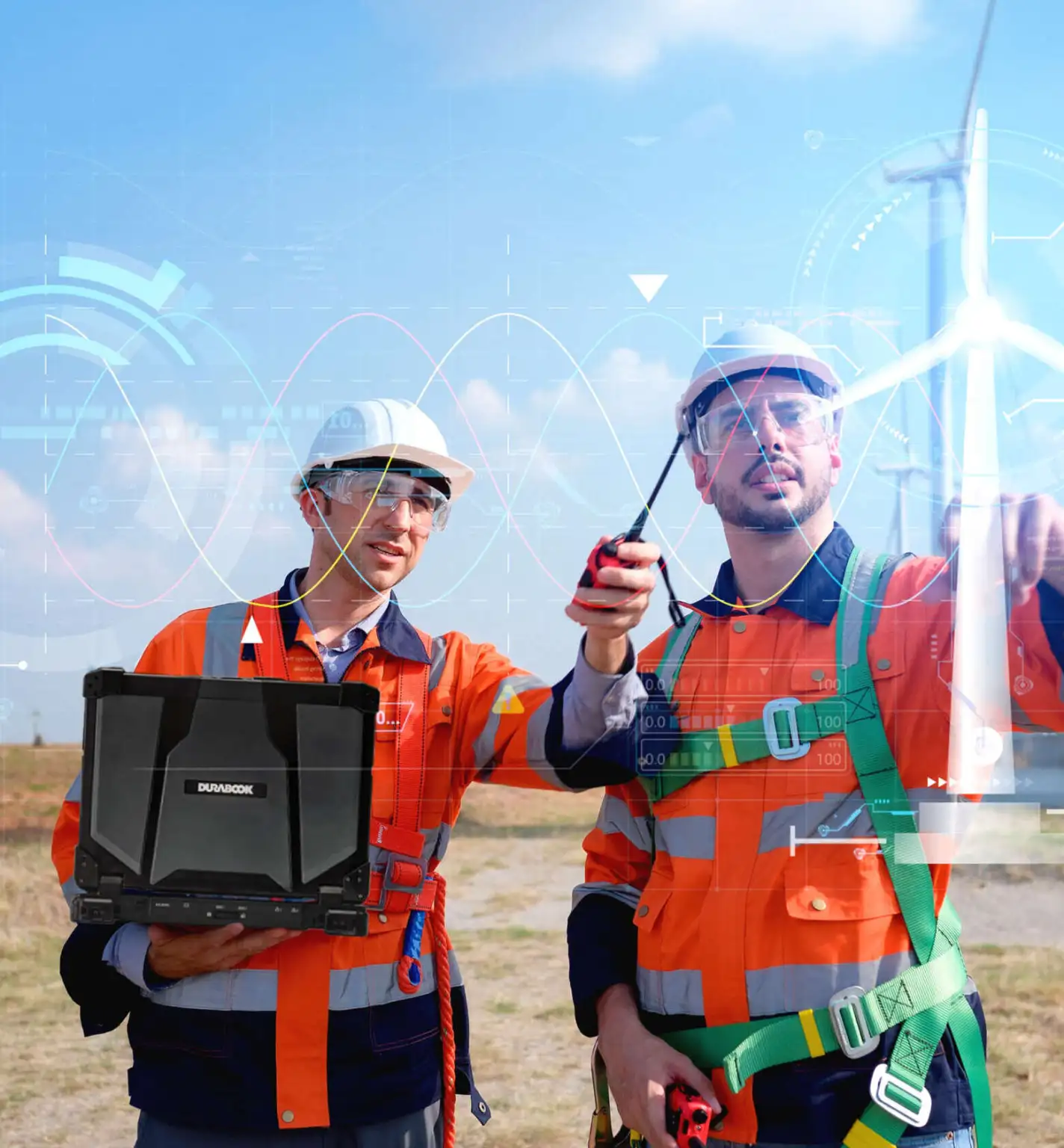
The pace of AI innovation and digitalization continues to reshape the world of rugged technology and will play a defining role in transforming the market as we move into 2026.
Over the past 12 months, the market has seen a clear shift from purely durability-focused hardware toward high-performance, intelligent, and secure edge computing platforms. Customers now expect rugged devices to incorporate the latest technologies and deliver unrivalled performance while maintaining durability when operating in the harshest and most hazardous operating environments.
From geopolitical instability and accelerated digitalization, to rising cybersecurity risks and rapid advances in connectivity and AI, here we outline some of the core trends we expect to see dominating the market in 2026.
Defense & Security as Growth Engines
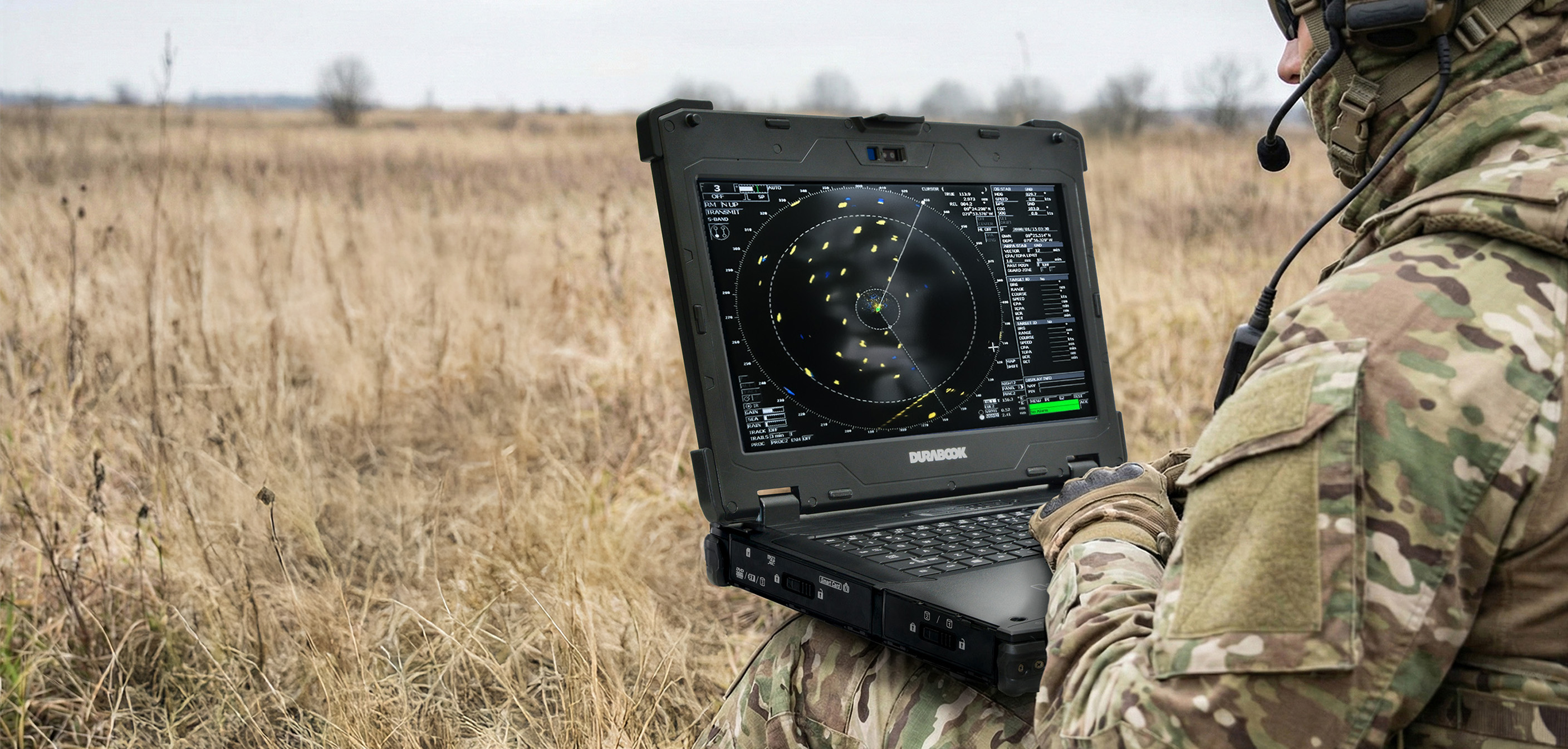
Geopolitical tensions are driving strong demand from defense and security sectors. Requirements are increasingly centered on advanced capabilities such as artificial Intelligence, secure communications, vehicle-mounted systems, unmanned vehicle ground control stations (GCS), military-grade connectors, and low-temperature resistant batteries. This demand is particularly in Europe, and parts of Asia.
In parallel, continued growth across utilities, oil and gas, and increasing automation in manufacturing and automotive sectors will further accelerate demand for rugged computing solutions.
Rising Performance Expectations
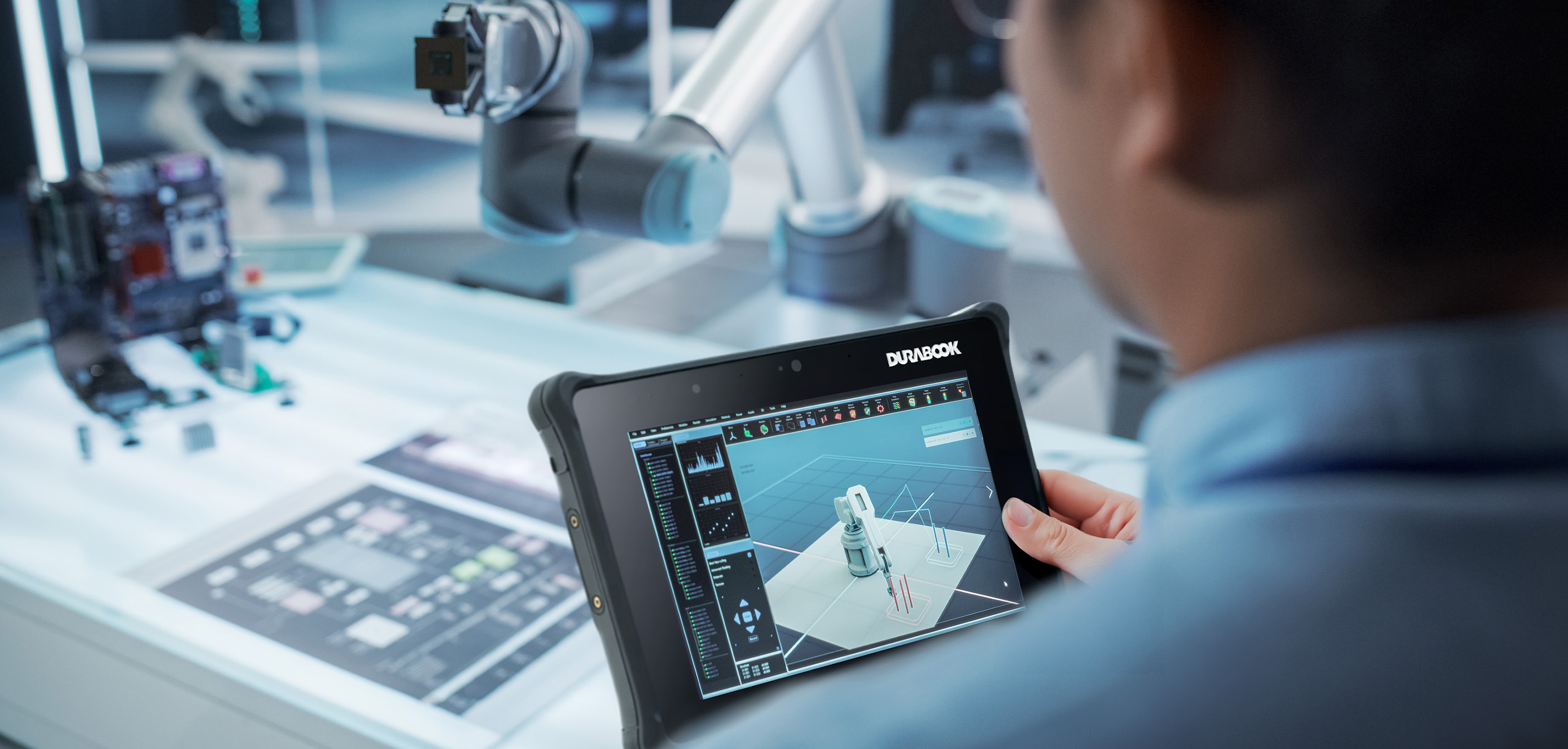
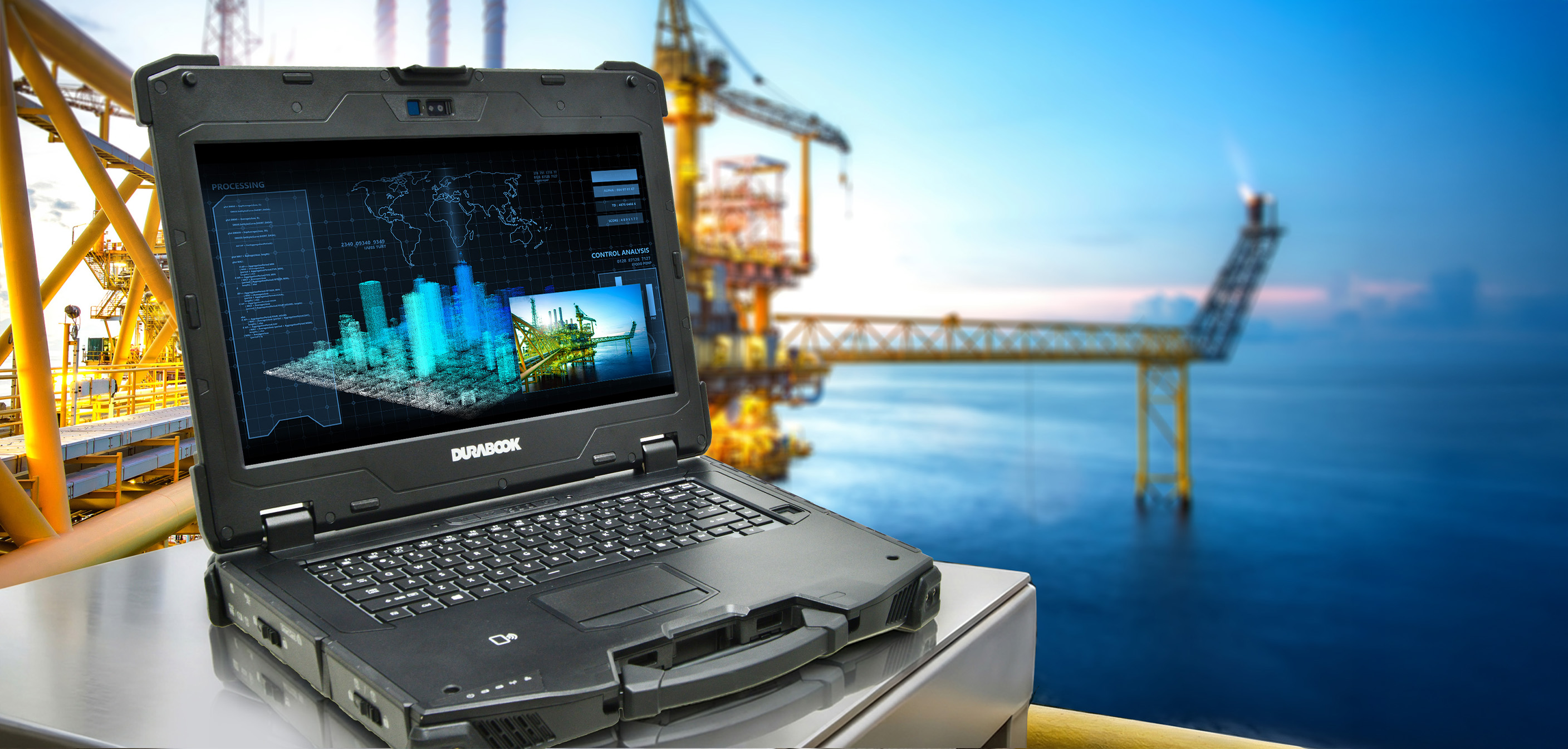
Performance expectations for rugged laptops and tablets are at its highest ever. The demand for latest-generation CPUs, larger and faster RAM and storage capacity, dedicated AI-capable GPUs continues to mount while low-end processors are being ruled out. Rugged devices are now increasingly being deployed as full-performance edge computing devices rather than simple field terminals.
Advancements in connectivity are also redefining the role of rugged devices, transforming them from offline tools into highly integrated mobile workstations. Expectations now include 5G (including private and SA networks), Wi-Fi 6/6E/7, GPS, and flexible I/O configurations, alongside both high-speed interfaces (Thunderbolt™ 4, 2.5Gb LAN, optical fiber network) and legacy or low-speed interfaces (including RS232, USB2.0). While reliable connectivity in harsh and industrial environments remains a challenge, it is critical to enabling broader adoption and advanced use cases.
AI and Cybersecurity as Standard
AI capability is rapidly becoming a baseline expectation rather than a value-added feature. Over the next few years, we anticipate AI turning rugged hardware from a ‘tough computer into a smart, autonomous field worker capable of seeing, understanding, deciding and reporting in real time. Customers increasingly expect AI-capable hardware to support various features such as predictive maintenance, diagnostics, image and video processing, and on-device analytics, ensuring long-term relevance and future-proofing. AI will continue to significantly shape the rugged device market and improve user experience by improving efficiencies across all sectors.
Cybersecurity is also set to play an increasingly critical role, particularly as AI adoption accelerates. Security has become a core purchasing criterion, equal to durability and battery life. Demand is strongest in defense, public safety, and government sectors, with an emphasis on hardware-level security, firmware protection, biometric authentication and self-encryption storage. In military application, TEMPEST-certified devices are expected to gain traction, while remote device management will be key across commercial and industrial sectors.
Uncompromising and Competitive Durability
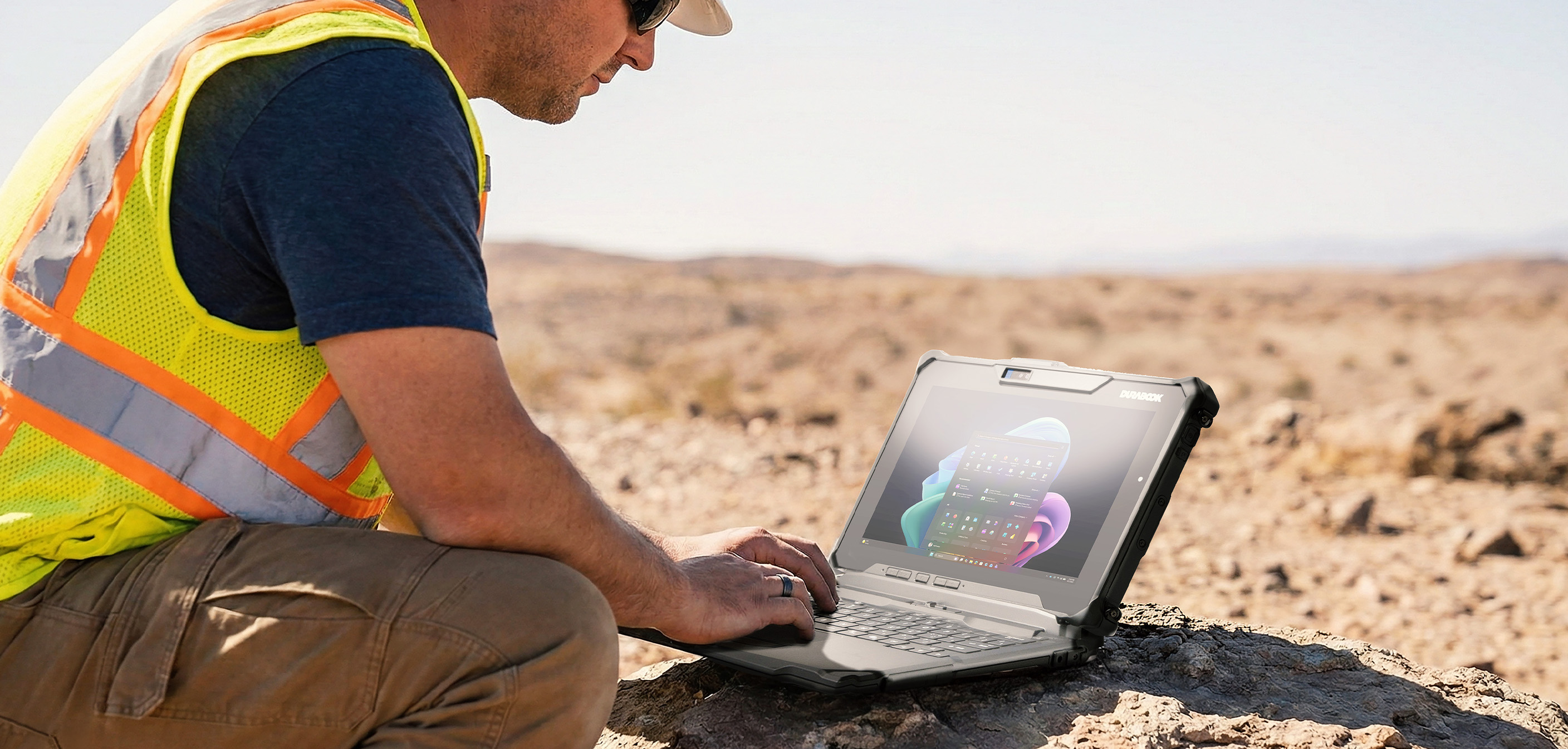
Demand is growing for more compact and lighter devices, notably 14-inch laptops and 10-inch tablets, without sacrificing ruggedness. Long battery life, extreme-temperature operation, and explosion-proof capabilities are increasingly important, while energy-efficient devices that meet strict environmental standards are becoming a baseline requirement. We expect the balance shifting towards higher performance rugged devices built with advanced materials, placing energy-efficiency at the core of product design and engineering.
Customers are also increasingly purchasing complete solutions rather than standalone devices. Modular designs, turnkey systems (such as GCS and UAV platforms), extended product lifecycles, and clear technology roadmaps are key decision-making factors. Most notably, Windows® also remains the dominant operating system, especially for rugged laptops and GCS. Stock availability, short lead times, fast repairs, and strong local service support are major competitive differentiators alongside price.
As a leading manufacturer of rugged solutions, Durabook understands that every customer has unique requirements. That’s why we remain committed to delivering cutting-edge rugged devices and platforms, engineered to meet the most demanding operational needs and mission-critical requirements.
Built to withstand extreme conditions
Rugged Laptops
Our rugged computers offer military-grade durability and IP-rated protection for tough environments.
Rugged Tablets
Our rugged tablets are compact, fanless, and military-grade with high IP ratings.
ATEX Tablets
Our ATEX tablets are explosion-proof, military-grade, and IP-rated for hazardous industrial environments.
Ground Controllers
Durabook ground control stations (GCS) deliver rugged performance, seamless integration, and reliable control.